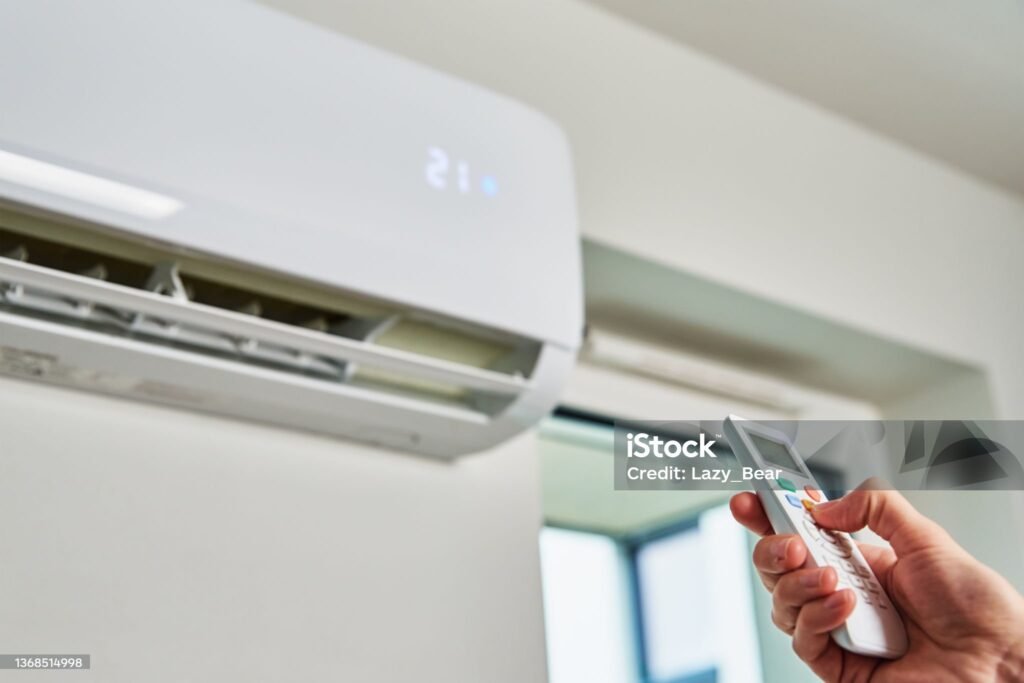
Air Conditioner: Everything You Need to Know Before Buying One
An air conditioner is one of the most important home appliances, especially in regions where summer temperatures become extremely high. Whether you want to cool your bedroom, office, or an entire house, choosing the right air conditioner can improve comfort, energy efficiency, and indoor air quality.
Modern cooling systems are designed with advanced technology that offers faster cooling, quieter operation, and lower electricity consumption. From inverter technology to smart Wi-Fi controls, today’s air conditioners provide convenience that was impossible just a few years ago.
This guide explains everything you need to know, including types of air conditioners, their benefits, buying tips, maintenance, and energy-saving practices.
Why an Air Conditioner Is Essential
An air conditioner does much more than simply cool a room. It helps create a comfortable indoor environment by controlling temperature and reducing humidity.
Some major advantages include:
- Better indoor comfort
- Improved sleep quality
- Reduced humidity
- Cleaner indoor air
- Increased productivity
- Protection for electronic devices
- Better living conditions during hot weather
Many modern models also include air purification filters that remove dust, allergens, and harmful particles from indoor air.
Types of Air Conditioner
Choosing the right type depends on your room size, budget, and cooling requirements.
Split Air Conditioner
A split air conditioner consists of one indoor unit and one outdoor compressor.
Benefits
- Quiet operation
- Powerful cooling
- Elegant appearance
- Energy efficient
- Ideal for bedrooms and living rooms
Window Air Conditioner
A window air conditioner is installed directly into a window or wall opening.
Advantages
- Affordable price
- Easy installation
- Suitable for small rooms
- Simple maintenance
Disadvantages
- Higher noise level
- Less attractive appearance
- Limited cooling capacity
Portable Air Conditioner
Portable models are designed for people who need mobility.
These units can be moved between rooms without permanent installation.
Best for:
- Rental homes
- Small apartments
- Temporary cooling needs
- Offices
Central Air Conditioner
A central air conditioner cools an entire building through ductwork.
It is commonly used in:
- Large houses
- Shopping malls
- Offices
- Hotels
Benefits include:
- Uniform cooling
- Quiet operation
- Higher property value
- Smart temperature control
Cassette Air Conditioner
Cassette systems are installed in ceilings and are commonly found in commercial buildings.
Advantages include:
- Even airflow
- Space-saving installation
- Professional appearance
- Powerful cooling
How Does an Air Conditioner Work?
Understanding the working principle helps you choose the right model.
The cooling process involves four major components:
Compressor
The compressor increases refrigerant pressure before sending it to the condenser.
Condenser Coil
The condenser releases heat absorbed from inside the room.
Expansion Valve
This valve reduces refrigerant pressure and prepares it for cooling.
Evaporator Coil
The evaporator absorbs heat from indoor air and sends cool air back into the room.
This continuous cycle keeps your room comfortable even during extremely hot weather.
Benefits of Using an Air Conditioner
A high-quality air conditioner provides numerous advantages beyond cooling.
Better Sleep
A cool bedroom promotes deeper and uninterrupted sleep.
Improved Air Quality
Many units include filters that remove:
- Dust
- Pollen
- Smoke
- Pet hair
- Allergens
Reduced Humidity
Lower humidity makes the indoor environment healthier and more comfortable.
Increased Productivity
Comfortable temperatures improve focus while working or studying.
Protection for Electronics
Computers, televisions, and other electronics perform better in cooler environments.
Features to Look for in an Air Conditioner
Modern air conditioners include many advanced features.
Inverter Technology
Inverter compressors automatically adjust cooling according to room temperature.
Benefits:
- Lower electricity bills
- Less noise
- Longer lifespan
- Faster cooling
Smart Wi-Fi Control
Many premium models allow users to control the air conditioner through smartphone apps.
Features include:
- Remote operation
- Scheduling
- Temperature adjustment
- Energy monitoring
Turbo Cooling
Turbo mode cools the room quickly during extremely hot days.
Sleep Mode
Sleep mode automatically adjusts the temperature throughout the night for maximum comfort.
Auto Restart
After a power outage, the unit automatically resumes previous settings.
Air Purification Filters
Advanced filters help improve indoor air quality by removing harmful particles.
How to Choose the Right Air Conditioner
Buying the wrong size can increase electricity bills and reduce efficiency.
Consider these factors before purchasing.
Room Size
Cooling capacity should match your room dimensions.
General guideline:
| Room Size | Recommended Capacity |
|---|---|
| Small Room | 1 Ton |
| Medium Room | 1.5 Ton |
| Large Room | 2 Ton |
Energy Efficiency
Choose models with high energy-efficiency ratings to save money over time.
Energy-efficient units consume less electricity while providing excellent cooling.
Cooling Capacity
A larger room requires greater cooling capacity.
Avoid buying a unit that is too small or excessively large.
Noise Level
Bedrooms and study rooms benefit from quieter indoor units.
Brand Reputation
Always purchase from trusted manufacturers offering reliable customer support and warranty coverage.
Popular brands include:
- Gree
- Haier
- Dawlance
- Orient
- TCL
- Kenwood
- Panasonic
- LG
- Samsung
Air Conditioner Maintenance Tips
Proper maintenance improves performance and extends the lifespan of your unit.
Clean Air Filters
Dirty filters reduce airflow and cooling efficiency.
Clean filters every two to four weeks.
Wash Outdoor Unit
Remove dust, leaves, and debris from the outdoor condenser.
Check Refrigerant Level
Low refrigerant reduces cooling performance and increases energy consumption.
Inspect Electrical Connections
Loose wiring can affect safety and efficiency.
Professional servicing is recommended annually.
Schedule Professional Maintenance
An annual inspection helps identify problems before they become expensive repairs.
Common Air Conditioner Problems
Here are some common issues homeowners experience.
Poor Cooling
Possible causes:
- Dirty filter
- Low refrigerant
- Blocked condenser
- Incorrect thermostat setting
Water Leakage
This usually occurs due to:
- Blocked drain pipe
- Frozen evaporator coil
- Improper installation
Strange Noise
Unusual sounds may indicate:
- Loose fan
- Motor issue
- Compressor problem
Bad Smell
Odors are often caused by:
- Mold
- Dirty filters
- Moisture buildup
High Electricity Bills
Possible reasons include:
- Dirty filters
- Old unit
- Continuous operation
- Poor insulation
Part 1 Complete (approximately 1,000 words).
In Part 2, I’ll cover:
- Energy-saving tips
- Air Conditioner vs Air Cooler
- Inverter vs Non-Inverter AC
- Best AC brands
- Buying mistakes to avoid
- Environmental impact
- Frequently Asked Questions (FAQ)
- Conclusion
- SEO Meta Title
- Meta Description
- URL Slug
- Image Alt Texts
- Internal & External linking suggestions.